AI Fashion Design: From Concept Images to Demand Forecasting
AI can speed concept exploration and pattern discovery in fashion, but production value depends on rights, merchandising discipline, and real demand data.
Fashion is a tempting showcase for generative AI because the output is immediate: type a description and receive a polished campaign image or a page of silhouettes. That speed is real. The idea that an image has compressed the whole design-to-retail process is not.
A sellable product still needs fabric selection, construction, fit, grading, costing, supplier coordination, merchandising, photography, and demand. AI can accelerate several decisions inside that chain. It cannot turn a visually compelling concept into a manufacturable garment by itself.
Three different systems are often called “fashion AI”
The first category is concept generation. Platforms such as CALA combine collaboration and product-development tools with generative features that can help teams explore visual directions. These systems are useful for briefs, color stories, and early option-making. Their output should be treated like a sketch: a direction to interpret, not a technical specification.
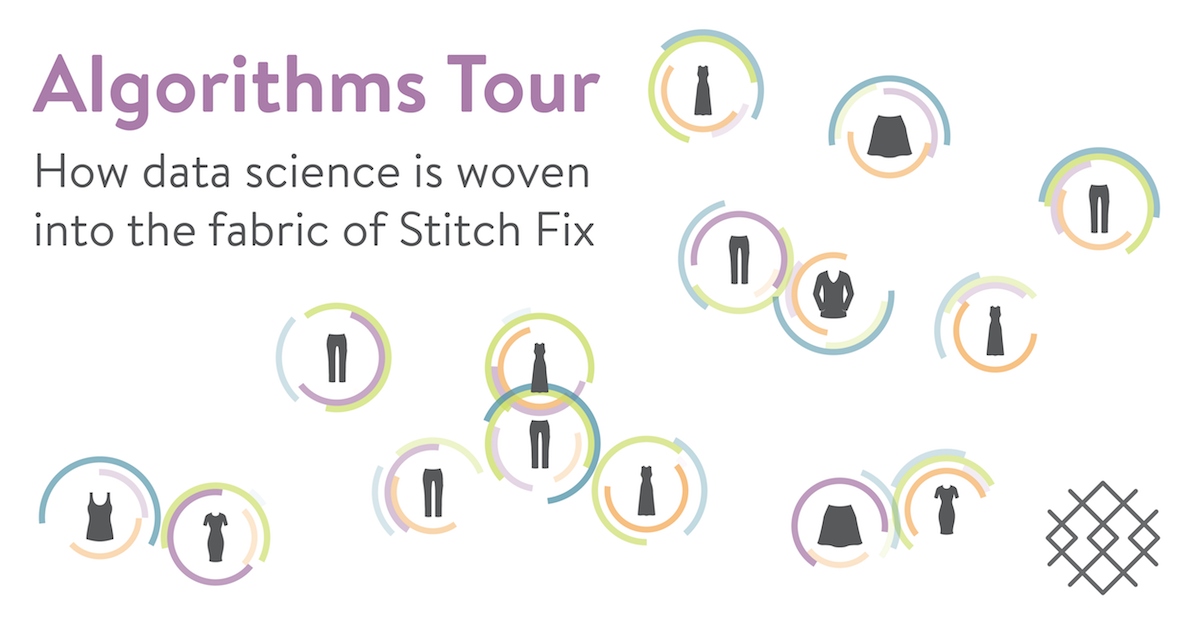
The second category is recommendation and personalization. Stitch Fix’s Algorithms Tour documents how a fashion service can combine data science with human styling, inventory, and operations. This is not the same problem as generating an image. It is a decision system that ranks products under real constraints such as availability, client preferences, and feedback.
The third is trend and demand analysis. Heuritech describes computer-vision analysis of fashion imagery to detect product attributes and changes over time. Such tools can add a signal to merchandising, but their forecasts are not facts. Social imagery may overrepresent highly visible communities, promotional content, or aesthetics that attract attention without producing purchases.
Keeping these categories separate prevents a common procurement mistake: buying a visually impressive generator when the business problem is actually assortment planning or inventory allocation.
A disciplined concept-to-product workflow
1. Write a commercial brief before generating. Define customer, price band, season, category, materials, manufacturing limits, and brand codes. Without constraints, the model optimizes for novelty rather than usefulness.
2. Record the inputs and rights. Teams should know whether reference images are owned, licensed, or merely found online. Save prompts, source assets, tool version, and generation date. Do not ask a model to imitate a living designer or reproduce a competitor’s identifiable product.
3. Use generation for divergence. Produce a broad set of possible directions, then have designers select and synthesize. The value comes from faster exploration, not from choosing the first attractive output.
4. Translate the idea into technical work. A designer or product developer must specify silhouette, seam placement, measurements, fabric behavior, trim, and construction. Unrealistic drape and impossible details should be removed before sampling.
5. Test with real evidence. Small-batch samples, buyer feedback, controlled product-page tests, and historical sales data are stronger evidence than likes on a generated moodboard.
Where the economics can improve
Concept tools can reduce time spent making disposable visual alternatives. Recommendation systems can help customers navigate an assortment. Forecasting systems can give merchandisers another view of emerging attributes. Each benefit is conditional.
The relevant measures differ by use case. A concept pilot should track time to an approved brief, percentage of generated ideas that survive technical review, and sampling rework. A recommendation pilot should track return rate, satisfaction, and margin—not clicks alone. A forecasting pilot should compare predictions against sell-through and markdowns at the product-attribute level.
Claims that AI automatically reduces waste are especially weak unless inventory outcomes are measured. Generating more ideas can increase waste if it encourages more samples and more poorly supported launches. Better demand decisions may reduce excess stock, but that requires integration with buying and allocation.
Governance belongs inside the creative process
Brands need clear rules for confidential collections, personal data, copyrighted references, model releases, and disclosure. They should also decide when a generated image is acceptable in marketing. A synthetic campaign image can mislead customers if it depicts a fit, texture, or product detail that the actual garment does not have.
NIST’s AI Risk Management Framework offers a practical structure even though it is not fashion-specific: define responsibility, map who may be affected, measure failures, and manage them over time. In a fashion team, that means named owners across design, legal, merchandising, and production rather than leaving governance to the person typing prompts.
What good adoption looks like
Good adoption is almost invisible. Designers spend less time producing throwaway variants and more time making informed choices. Merchandisers receive a traceable signal instead of a mysterious score. Product teams reject concepts that cannot be made or supported by demand. Customers see the product they were promised.
AI is not collapsing fashion into a prompt. It is adding faster instruments to an already complex system. Teams that connect those instruments to rights, technical design, and commercial evidence can improve decisions. Teams that confuse imagery with product development will simply create prettier uncertainty.
Sources
> Want more like this?
Get the best AI insights delivered weekly.
By subscribing, you agree to our Privacy Policy. You can unsubscribe at any time.
> Related Articles
Anthropic's IPO Lands a 'High Junk' Rating—Who Pays the Bill?
Anthropic is expected to get a high-yield junk credit rating after its IPO, per the FT. That sets the price of future borrowing and tells builders what the market really thinks of
Token Budget SLOs for LLM Apps: Control Cost Without Breaking Quality
Turn token spend into an operating target. Budget by workflow, reserve output capacity, detect context growth, and degrade gracefully before costs surprise you.
AI Etsy Business: Sell AI-Generated Products
Most AI Etsy sellers fail because they upload pretty junk. Here's how to build a real product line with AI, realistic margins, and no policy faceplant.
Most Read
- 1 Kimi K3.1 Pro: China's Open-Weight Model Just Caught the Frontier
- 2 OpenAI Is Buying the Bottleneck: Can Orchestra Bio Cut a 15-Year Drug Timeline?
- 3 1,068 Tokens Per Second: Can Mercury 3 Change How LLMs Generate Text?
- 4 Same Price, Better Coding: How Good Is DeepSeek V4.1 Flash 1017?
- 5 Used OpenCode? Should You Rotate Your API Key After the Console Breach?





Latest News
- Claude Code Left Secrets in 1,122 GitHub Files—Check This Setting
- Gemini Omni 1.2 Flash Makes 15-Second Video Cheaper—Then Comes the Edit
- GPT-6 Cyber Can Build Exploits—But Builders Face a Different Test
- 1,122 GitHub Files Exposed Secrets—What Did “Don't Ask Again” Save?
- Gemini Omni 1.2 Flash Offers $1.05 Clips—What Does That Buy You?
- GPT-6 Cyber Hits 48.5% on ExploitGym—Who Gets the Keys?
Tags
> Stay in the loop
Weekly AI tools & insights.